
Financial Significance
The value, volume and sensitivity of transactions.
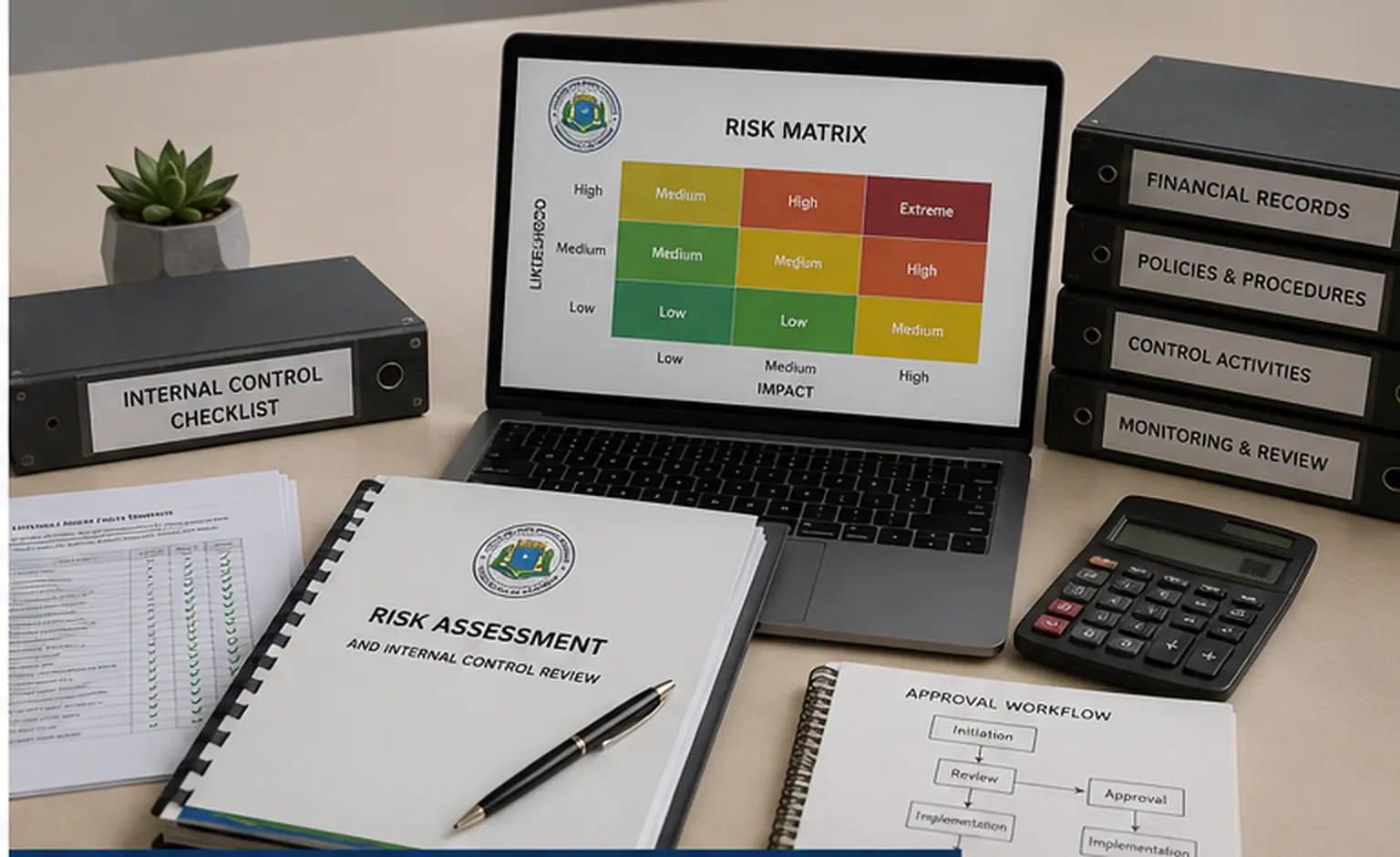
Risk-based planning that directs audit resources toward matters of greatest significance.
Risk assessment helps the Office direct limited audit resources toward areas where weakness, error, non-compliance or misuse could have significant consequences. It supports annual planning, helps define individual engagements and ensures that audit attention is proportionate to identified public-sector risks.
Factors may include financial significance, previous findings, internal-control weaknesses, operational complexity, changes in systems or leadership and the nature of public resources under management. The assessment is updated when new information becomes available or conditions change.
The assessment does not assume that a weakness has occurred. It provides a documented basis for deciding what to examine, the extent of testing and evidence required, and whether specialist attention is needed to address particular financial, operational or technology-related risks.
Planning brings together several sources of risk information.
The value, volume and sensitivity of transactions.
Unresolved or recurring weaknesses from earlier work.
Gaps that could permit error, loss or misuse.
Processes, systems and changes that increase uncertainty.